

S2K Commerce - Products Dropdown
Actions
Web Content Viewer
Actions
Essential Oil Bottle Materials Explained: Glass vs Plastic
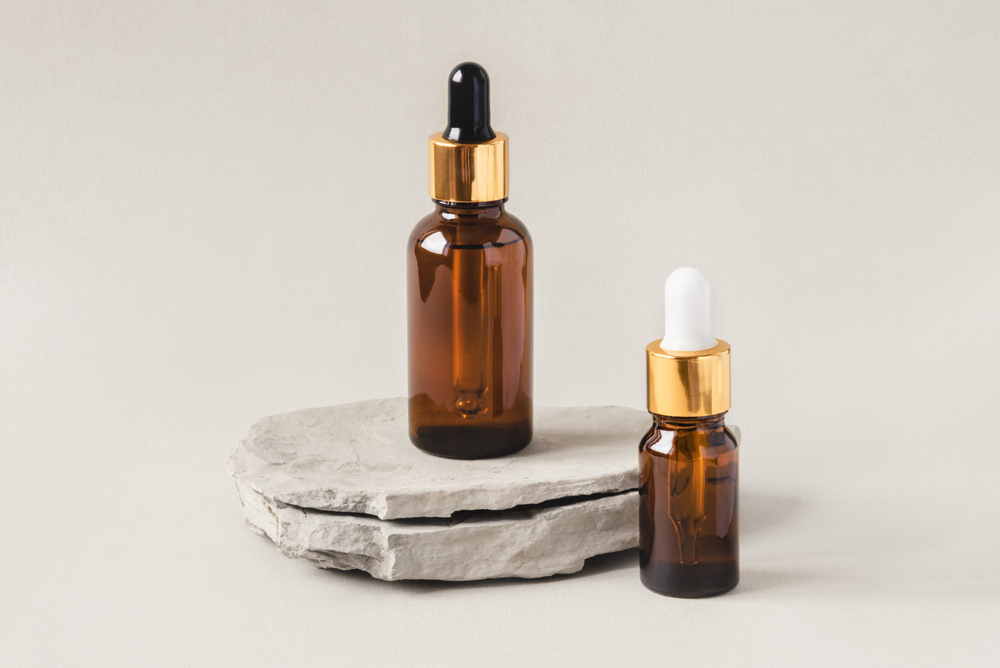
Selecting the right primary packaging is a critical decision for any essential oil manufacturer. The choice between dropper vs roll-on essential oil bottles often depends on the intended viscosity of the product and how the end-user is expected to interact with the oil. Industrial Container and Supply Company provides high-quality glass and plastic options that ensure product integrity and shelf stability for your entire line.
When you are sourcing essential oil bottles, you must consider both the chemical compatibility of the material and the functionality of the closure system. Our team at Industrial Container and Supply Company specializes in providing essential oil bottles that meet the rigorous standards of professional aromatherapists and commercial manufacturers alike to clients around Utah. Understanding the nuances of dropper vs roll-on essential oil bottles will help you optimize your production costs and improve customer satisfaction. Here are some basic comparisons!
Benefits of Dropper Bottles for Precise Oil Measurement
Dropper bottles are the industry standard for high-potency extracts and pure essential oils that require exact dosing. These containers typically utilize a glass pipette or an orifice reducer to manage the flow of the liquid. For manufacturers, these essential oil bottles offer the highest level of protection against contamination while allowing the user to count individual drops. When comparing dropper vs roll-on essential oil bottles, the dropper style is superior for products meant to be diffused or added to carrier oils.
- Precise volumetric control allows users to follow safety guidelines for high-concentration oils.
- Glass pipettes prevent the skin-to-oil contact that can lead to batch contamination.
- Airtight seals and specialized bulbs minimize the oxidation of volatile aromatic compounds.
- Orifice reducers provide a cost-effective way to manage flow without complex assembly.
- The design is ideal for blending multiple oils into a single secondary container.
Advantages of Roll-On Bottles for Topical Application and Portability
Roll-on bottles have revolutionized the way consumers use aromatherapy on the go. These essential oil bottles feature a fitment with a rotating ball, usually made of stainless steel or plastic, which dispenses a thin layer of oil directly onto the skin.
When evaluating dropper vs roll-on essential oil bottles, the roll-on format is the clear winner for pre-diluted blends and "pulse point" products. This packaging style eliminates the need for external applicators and reduces the risk of messy spills.
- The direct-to-skin application makes these perfect for retail-ready wellness products.
- Internal fitments regulate the flow to prevent over-saturation during topical use.
- Compact footprints allow these essential oil bottles to fit easily into pockets or travel kits.
- Leak-resistant designs provide peace of mind for consumers using the products in transit.
- The mechanical action of the roller ball provides a slight massage effect during application.
Situations Where Each Bottle Type is Most Suitable
The decision regarding dropper vs roll-on essential oil bottles usually comes down to the concentration of the formula. If your company is bottling 100% pure, undiluted essences, a dropper bottle is the safer and more professional choice for your essential oil bottles. This ensures the consumer can dilute the product safely at home without accidental skin irritation. It also maintains the purity of the bulk product over a longer period of storage.
Conversely, if you are launching a line of ready-to-use "remedy" blends, the roll-on is the superior vessel. Many manufacturers find that dropper vs roll-on essential oil bottles serve two different market segments, allowing for brand expansion. Roll-ons are excellent for low-viscosity carrier oil blends like jojoba or fractionated coconut oil. Droppers remain the go-to for professional-grade apothecary lines and bulk ingredients.
Selecting Ideal Packaging Depending on Bottle Format
Choosing the right material for your chosen format is just as important as the applicator itself. For dropper vs roll-on essential oil bottles, amber or cobalt glass remains the preferred choice to protect light-sensitive compounds from UV degradation. Manufacturers must also ensure that the liner materials in dropper caps or the housing of a roller ball are resistant to the specific terpenes in the oil. Selecting high-density materials prevents the leaching or softening that can occur with reactive essential oil bottles.
The physical dimensions of your packaging must also align with your labeling and secondary boxing requirements. Dropper bottles often require more vertical clearance for the bulb, whereas roll-on bottles offer a sleek, uniform cylinder that is easy to shrink-wrap. Evaluating the neck finish of your essential oil bottles is vital to ensuring a leak-proof seal during high-speed automated filling.
Industrial Container and Supply Company is ready to help you scale your production with the perfect container solutions around Utah. Whether you are weighing the pros of dropper vs roll-on essential oil bottles or looking for bulk supply, we have the expertise to guide your selection. Our extensive inventory ensures that your essential oil bottles arrive on time and meet your exact specifications. Contact our Utah office todayContact our Utah office today to find the perfect fit for your next product launch.