

S2K Commerce - Products Dropdown
Actions
Web Content Viewer
Actions
Understanding FDA-Compliant Food Storage Containers
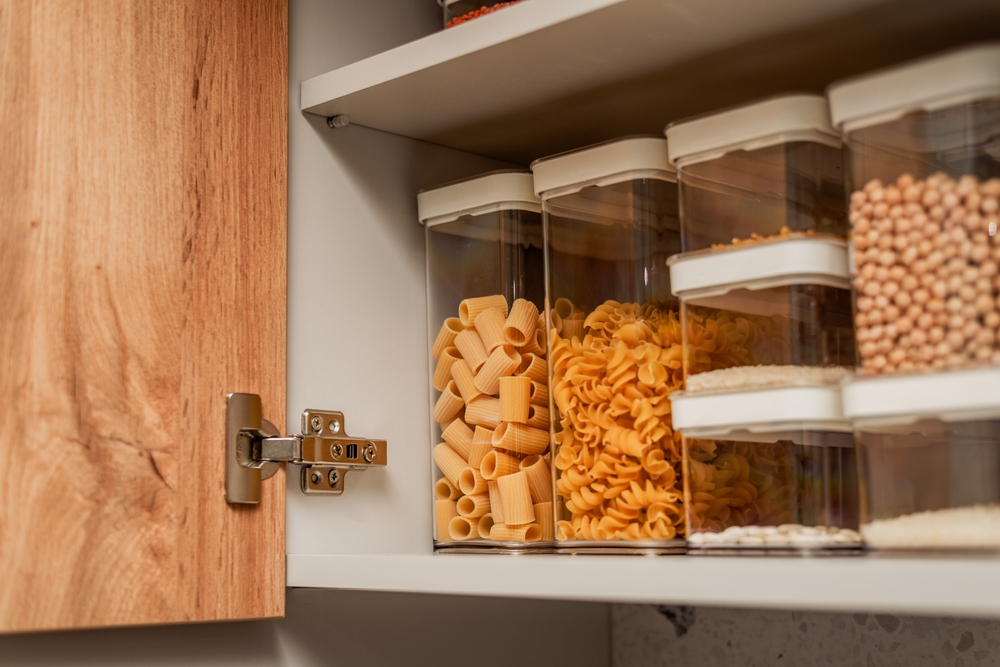
Maintaining regulatory integrity in food processing requires deep attention to every single manufacturing asset. The vessels used to hold ingredients during intermediate processing and final distribution play a critical role in preserving product purity. Food safety begins long before any ingredients reach the consumer kitchen. Selecting high quality manufacturing equipment ensures that processing operations remain safe and efficient over long production cycles.
For operations located across the intermountain region, finding dependable wholesale food storage containers represents a fundamental operational step. Industrial Container and Supply Company provides specialized packaging solutions throughout Utah to support local processing facilities, including our wide selection of FDA-compliant food storage containers to upgrade their facility inventory and comply with federal regulations. Read on to learn more about these containers and why they’re so valuable in this sector.
Vital Takeaways
- Regulatory standards dictate specific material composition requirements for industrial food contact.
- Approved polymers and metals prevent harmful chemical migration into processed commercial goods.
- Adhering to strict compliance frameworks protects food processing brands from legal liabilities.
- Proper vendor documentation verification helps manufacturers avoid counterfeit or non-compliant equipment.
Basics on FDA-Compliant Food Storage Containers
Federal packaging regulations exist to verify that materials in direct contact with food do not alter food composition. Packaging vessels must withstand extreme temperatures, frequent cleanings, and rigorous sanitation protocols without degrading. The regulatory framework classifies these vessels as indirect food additives because material substances could theoretically transfer to ingredients. Every container design must undergo comprehensive review to prove long term stability under industrial settings.
Industrial facilities utilize various configurations of these certified vessels for batch processing, raw material staging, and bulk ingredient transit. The design specifications strictly rule out any materials that might harbor bacteria or resist standard chemical sanitation washes. Using uncertified barrels or commercial pails can lead to batch contamination and severe regulatory penalties. Manufacturers must confirm that every single storage unit in a facility meets these exact commercial standards.
Materials Commonly Approved
Selecting the correct material grade determines whether an industrial container can legally and safely hold ingredients during factory operations. Different resins offer unique performance traits regarding chemical resistance, thermal thresholds, and mechanical impact durability. Engineering teams must evaluate material traits against specific food acidity profiles and factory processing temperatures. The following materials are widely utilized for handling food ingredients across the packaging industry.
- High Density Polyethylene: This robust resin offers excellent chemical resistance and impacts durability making it ideal for bulk ingredient barrels.
- Polypropylene: This polymer handles elevated thermal processing temperatures efficiently and serves well for hot fill commercial applications.
- Polyethylene Terephthalate: This clear plastic provides a strong moisture barrier and works excellently for liquid ingredient storage.
- Stainless Steel: This non corrosive metal provides maximum durability and accommodates intense heat sanitation cycles without structural degradation.
How FDA Standards Protect Consumers
Federal standards establish a preventative baseline that keeps dangerous substances from entering the commercial food supply network. By governing chemical formulations, the regulations eliminate toxic heavy metals and unstable plasticizers from food contact zones. This oversight ensures that ingredients taste exactly as intended without absorbing off flavors from plastic walls. Public safety relies heavily on these material constraints to reduce long term chemical exposure risks nationwide.
The rules also mandate that container surfaces remain completely smooth and non porous to discourage microscopic fungal or bacterial colonization. When industrial vessels resist scratching and pitting, sanitizing agents can thoroughly eliminate pathogens during standard clean in place routines. Preventing cross contamination between production batches is a fundamental goal of these strict material policies. Ultimately, consumer trust is preserved because commercial food products remain uniform, unadulterated, and safe.
Why Businesses Should Prioritize Compliance
Industrial organizations face severe financial and operational hazards when they utilize unapproved equipment within their manufacturing lines. Investing in verified hardware protects a business from unexpected operational disruptions and expensive product batch rejections. Corporate longevity depends directly on maintaining flawless quality control scores and clean regulatory inspection records. Incorporating certified wholesale food storage containers into standard operations provides distinct business advantages.
- Legal Protection: Utilizing certified equipment shields processing operations from regulatory fines and costly product recalls.
- Brand Reputation: Consistently meeting federal standards strengthens market trust among commercial buyers and retail consumers.
- Operational Longevity: Approved industrial materials tolerate repetitive sanitization cycles which reduces equipment replacement expenses.
- Market Expansion: Certified packaging compliance allows food processors to qualify for lucrative federal and international distribution contracts.
Tips for Verifying FDA Compliance When Sourcing Containers
Procurement departments must implement rigorous vetting workflows to confirm the regulatory status of all incoming industrial vessels. Relying solely on verbal product claims can expose a manufacturing facility to severe compliance vulnerabilities. Buyers need to request formal documentation that traces material origins back to certified base resin producers. The following guidelines help procurement teams verify compliance during the equipment sourcing phase.
- Request Letters of Guarantee: Manufacturers should obtain written statements from suppliers certifying compliance with specific federal material codes.
- Examine Material Codes: Tracking resin identification codes molded into container bases helps verify the baseline polymer type.
- Audit Supplier Certifications: Checking that component fabricators maintain accredited quality management systems guarantees production consistency.
- Review Intended Use Limits: Verifying temperature thresholds and alcohol limits prevents material degradation during active processing cycles.
Securing the right infrastructure is a vital component of running a successful and compliant commercial food processing operation. Investing in high quality FDA-compliant food storage containers ensures that your facility maintains elite sanitary standards day after day.
For dependable logistics support and certified hardware, trust Industrial Container and Supply Company to supply your facility in Utah. Contact us today!